
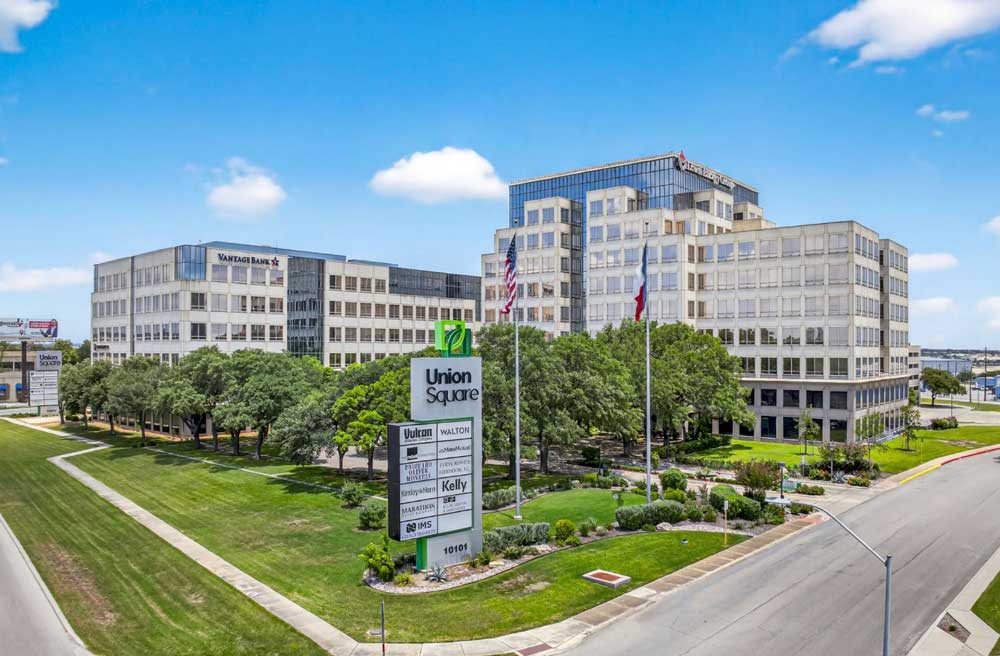
Signing a commercial lease is one of the most significant financial and operational decisions a business can make. The right space can support productivity, employee experience, and long-term growth. The wrong lease agreement, however, can create unexpected costs, operational limitations, and future challenges that impact the business for years.
As the San Antonio commercial real estate market continues to evolve, businesses are increasingly looking beyond rental rates alone and taking a more strategic approach to leasing decisions. Understanding the key questions to ask before signing a lease can help companies avoid costly surprises and identify office environments that align with both immediate and long-term goals.
With more than 40 years of experience in commercial brokerage, development, and property management, Worth & Associates helps businesses navigate commercial lease decisions with a tenant-focused perspective grounded in local market expertise.
What Is Included in the Lease Rate?
One of the first questions businesses should ask is what expenses are included in the quoted lease rate. Commercial leases can vary significantly depending on structure, operating expenses, and tenant responsibilities.
In addition to base rent, tenants may also be responsible for property taxes, building insurance, maintenance expenses, utilities, parking costs, and common area fees. Understanding the full occupancy cost upfront provides a clearer picture of the true financial commitment and helps businesses avoid unexpected expenses later in the lease term.
How Much Space Does the Business Actually Need?
Before signing a lease, businesses should evaluate both current staffing needs and future growth plans. Leasing too little space can quickly create operational challenges, while leasing too much may result in unnecessary overhead.
Companies should consider how employees work on a daily basis, whether hybrid schedules are in place, and how much collaborative space is required. Conference rooms, storage needs, employee amenities, and future hiring plans can all impact how much office space is truly necessary.
How Flexible Is the Lease Agreement?
Business needs can change significantly over the course of a lease term, making flexibility an important consideration. Companies should understand whether the lease allows room for future growth, renewal options, or operational changes.
Businesses may also want to evaluate whether the agreement includes expansion opportunities, subleasing flexibility, tenant improvement allowances, or options for early termination if business needs shift unexpectedly. Understanding these terms before signing can provide greater long-term stability and adaptability.
Does the Location Support Employees and Clients?
Location plays a major role in employee satisfaction, client accessibility, and overall business operations. Businesses should evaluate how a property aligns with commute patterns, nearby amenities, parking availability, and accessibility to major highways or business corridors.
Across San Antonio, many companies continue prioritizing office locations that offer convenience, visibility, and proximity to growing residential areas. The surrounding environment can have a direct impact on employee retention, customer experience, and long-term operational efficiency.
What Condition Is the Property In?
The quality and condition of a property directly affect daily operations and the overall tenant experience. Before signing a lease, businesses should evaluate building maintenance, common areas, parking facilities, and overall property management responsiveness.
Well-maintained commercial properties often provide more reliable building operations, fewer maintenance disruptions, and stronger long-term value for tenants. A professionally managed property can make a significant difference in the day-to-day experience of employees and visitors alike.
Will the Space Support Future Growth?
Commercial leases are long-term commitments, making it important to evaluate how a space will support future business growth. A location that works well today may become limiting within a few years if additional space or operational flexibility is unavailable.
Businesses should think beyond immediate needs and consider how the office environment may need to evolve over time. Selecting a space with long-term flexibility can help avoid costly relocations and disruptions down the road.
Local Expertise Makes a Difference
Commercial lease agreements often involve complex financial and operational considerations. Working with a knowledgeable commercial real estate partner can help businesses better understand market conditions, negotiate favorable lease terms, and identify properties that align with long-term goals.
As San Antonio continues growing across key business corridors and suburban office markets, local expertise remains an important advantage. With decades of experience in commercial brokerage, development, and property management, Worth & Associates helps businesses make informed leasing decisions with confidence.
Looking Ahead
Signing a commercial lease is about more than securing office space. It is about finding an environment that supports productivity, operational efficiency, employee experience, and long-term business success.
By asking the right questions before committing to a lease, businesses can position themselves for greater flexibility, stability, and future growth in San Antonio’s evolving commercial real estate market.