
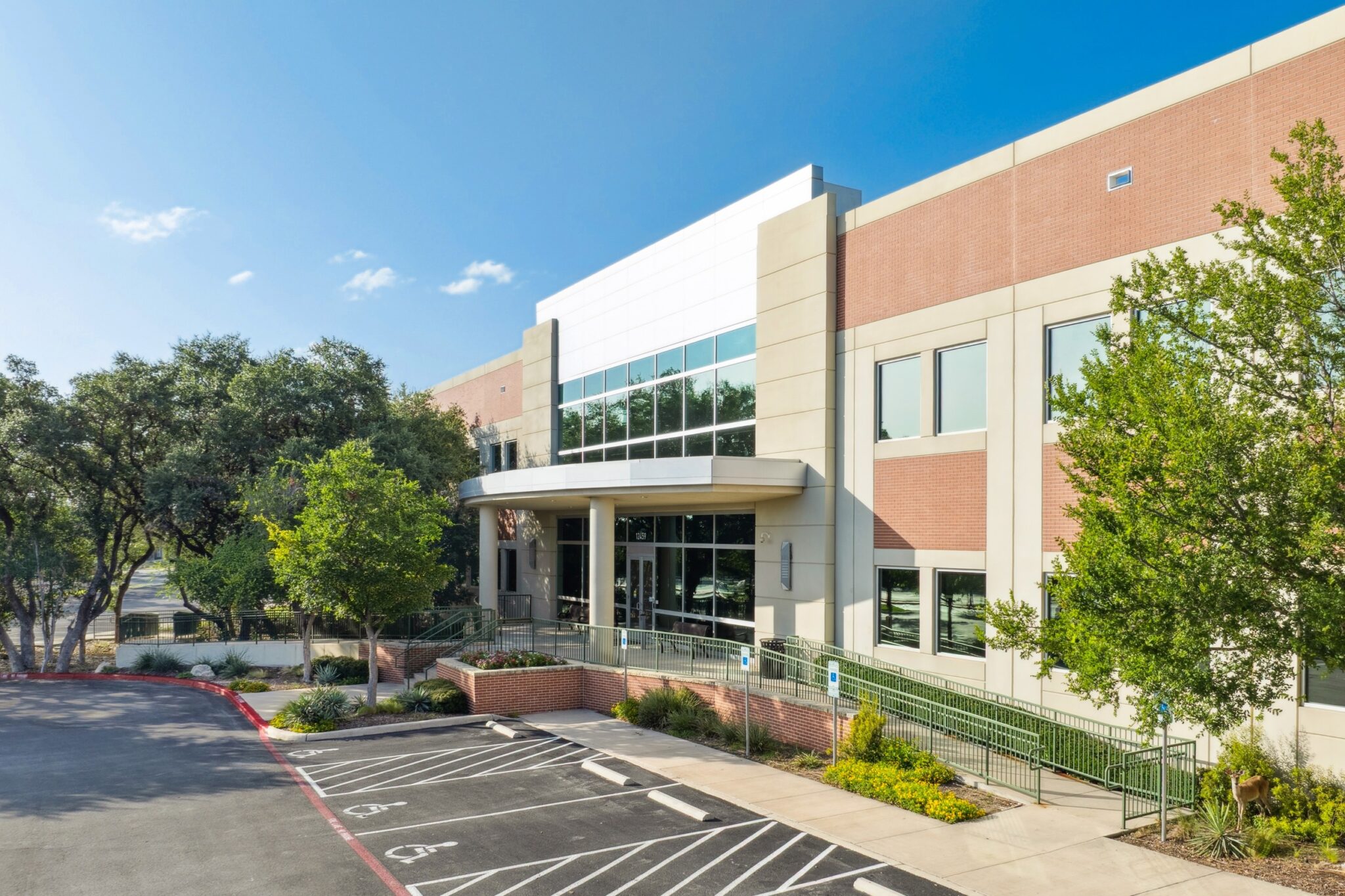
As workplace needs continue to evolve, businesses across San Antonio are reevaluating what type of commercial space best supports their operations, employees, and long-term goals. Traditional office space is no longer the only option. Today, many companies are also considering flex space and coworking environments as alternatives that offer greater adaptability and efficiency.
Each workspace solution comes with distinct advantages depending on company size, industry, growth stage, and operational structure. Understanding the differences between office space, flex space, and coworking environments can help businesses make more informed commercial real estate decisions.
With more than 40 years of experience in San Antonio commercial real estate, Worth & Associates helps businesses identify workspace solutions that align with both immediate needs and future growth strategies.
Traditional Office Space Offers Stability and Control
Traditional office space remains the preferred choice for many established businesses seeking privacy, consistency, and long-term operational control. Companies leasing dedicated office space have the ability to customize layouts, establish brand presence, and create environments tailored to their specific workflow.
Professional office environments are especially valuable for businesses that regularly host clients, require private meeting areas, or operate with larger employee teams. Traditional office leases also provide greater predictability for long-term occupancy planning.
Across San Antonio, Class A office developments continue to attract companies seeking high-quality amenities, convenient access, and professional environments that support employee experience and productivity.
Flex Space Provides Adaptability for Growing Businesses
Flex space has become increasingly popular among businesses seeking a balance between traditional office functionality and operational flexibility. These spaces often combine office, warehouse, showroom, or collaborative components within a single property.
For growing companies, flex space offers the ability to scale operations without committing to overly rigid layouts or long-term space limitations. Businesses in industries such as technology, logistics, construction, design, and light industrial services often benefit from the versatility flex properties provide.
Many San Antonio businesses are also drawn to flex space because it can accommodate changing staffing needs, hybrid work schedules, and evolving operational demands more efficiently than traditional office layouts.
Coworking Spaces Appeal to Startups and Hybrid Teams
Coworking environments offer shared workspaces designed for flexibility, collaboration, and shorter-term commitments. These spaces typically provide access to private offices, shared desks, conference rooms, lounges, and business amenities within a communal setting.
For startups, entrepreneurs, remote workers, and smaller teams, coworking spaces can reduce overhead costs while still providing a professional business environment. Coworking also allows companies to avoid many of the upfront expenses associated with furnishing and maintaining a private office.
As hybrid work models continue gaining traction, coworking spaces throughout San Antonio are increasingly being used as satellite offices or supplemental workspace for distributed teams.
Choosing the Right Space Depends on Business Goals
The best workspace solution depends largely on how a company operates today and how it expects to grow in the future. Businesses prioritizing privacy, branding, and long-term stability may benefit from traditional office space. Companies seeking operational flexibility may find flex space more practical, while startups and smaller teams often value the affordability and convenience of coworking environments.
Factors to consider when evaluating commercial space include:
- Team size and growth projections
- Frequency of in-office collaboration
- Client-facing business needs
- Equipment or storage requirements
- Desired lease flexibility
- Budget and operational overhead
Understanding these priorities helps businesses select environments that support both productivity and long-term efficiency.
The San Antonio Market Continues to Evolve
San Antonio’s commercial real estate market continues adapting to changing workplace trends and business demands. Companies are increasingly seeking spaces that offer flexibility, convenience, employee-focused amenities, and room for future growth.
From Northwest San Antonio office campuses to suburban flex developments and collaborative coworking environments, businesses today have more workspace options than ever before. Navigating these choices requires a strong understanding of both operational needs and local market dynamics.
With decades of experience in commercial brokerage, development, and property management, Worth & Associates helps businesses identify workspace solutions that align with their goals, operations, and long-term strategy.
Looking Ahead
The modern workplace continues to evolve as businesses adapt to changing employee expectations, technology, and operational priorities. Whether considering traditional office space, flexible commercial environments, or coworking solutions, choosing the right space can directly impact productivity, culture, and long-term business success.
Finding the right commercial real estate solution starts with understanding how your business works today and where it is headed tomorrow.